

 0
0
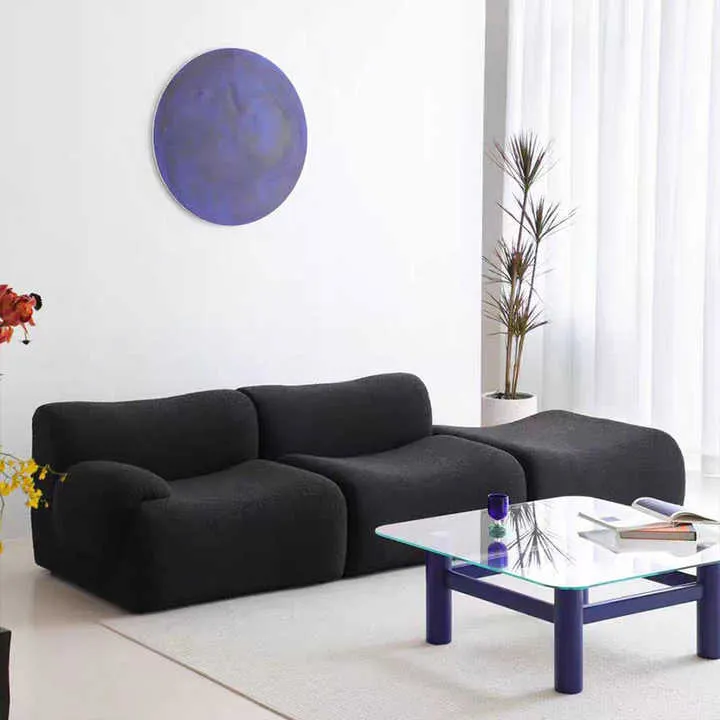
How to Import Vacuum Compressed Furniture from China: A Complete Guide for First-Time Buyers
Introduction
If you're reading this, you've probably seen the numbers: a standard 3-seater sofa that would normally take up 2.5 cubic meters of container space compresses down to just 0.5 cubic meters with vacuum packaging. That's 5 sofas for the price of shipping one. For importers, Amazon FBA sellers, and furniture retailers across North America and Europe, vacuum compressed furniture isn't just a trend — it's a margin game-changer.
But importing from China comes with its own learning curve. This guide walks you through the entire process, from sourcing to delivery.
1. Why Vacuum Compressed Furniture Is Worth Your Attention
- 3-5x more units per container — A 40ft container fits ~120 compressed sofas vs. ~35 traditional ones
- Up to 70% lower ocean freight per unit — Freight cost per sofa drops from $45-65 to $12-18 for US West Coast delivery
- Lower warehouse storage costs — Compressed units stack efficiently, reducing storage footprint by 60-75%
- Reduced damage in transit — Vacuum-sealed packaging means no shifting, no scuffing
2. Finding the Right Supplier
Red Flags
- No video tours of production line
- No in-house sponge/foam production
- Vague MOQ answers without tiered pricing
- No experience with target market certifications (California TB117, UK FR, etc.)
Green Flags
- Sample within 7 days (cost refundable against bulk orders)
- Clear English communication about lead times and payment terms
- Factory audit reports available (BSCI, SEDEX)
- In-house foam pouring — the single biggest quality differentiator
Pro tip: Always ask for a video call with factory walkthrough. If they hesitate, move on.
3. Understanding MOQ and Pricing Tiers
| Product Type | MOQ First Order | Repeat MOQ |
|---|---|---|
| Standard compression sofa | 10-20 units | 5-10 units |
| Modular sofa system | 15-25 sets | 10 sets |
| Bean bag / lounge chair | 30-50 units | 20 units |
| Sofa bed (multi-function) | 10-15 units | 5-8 units |
Most B2B suppliers quote FOB. For first-timers, also ask for CIF — more expensive but eliminates destination surprises.
4. Sampling: Your First Line of Defense
- Request a production sample (not showroom)
- Video the unpacking — record 90% recovery time (should be 2-4h)
- Test for 7 days — sit, sleep, check seams, zippers, fabric pilling
- Measure compressed dimensions against freight promises
- Compare foam recovery at 1h, 4h, 24h, 48h after unpacking
5. Shipping, Customs, and Logistics
Ocean Freight
- FCL — Best for 50+ units. 40ft fits ~120 compressed sofas
- LCL — ~$80-120/m³ to US West Coast
- Express — DHL/FedEx, 5-7 days, samples only
Customs
Documents: Commercial Invoice, Packing List, Bill of Lading, Certificate of Origin. US: Lacey Act + CPSC (16 CFR 1632/1633).
Duties
HTS 9401.61. US: 0-2.5%. EU: 0-5.6%. Verify with customs broker.
6. Quality Control That Works
- Pre-production inspection — Verify raw materials before cutting
- During-production — Random 10-20% check at 30% completion
- Pre-shipment (PSI) — AQL 2.5 sampling. Non-negotiable
- Container loading — Verify correct loading, no crushed packaging
Third-party QC (SGS, BV, TUV): $300-500/day.
Conclusion
- Supplier vetted via factory video + references
- Sample tested 7 days, recovery verified
- MOQ and pricing confirmed in writing
- Shipping method + freight forwarder quote
- Customs broker, HTS code, duty estimate
- QC plan: minimum PSI at AQL 2.5
- Payment: 30% deposit + 70% before shipment
Importing vacuum compressed furniture rewards thoroughness. Get sampling and QC right, and you'll unlock a supply chain advantage traditional retailers can't match.

Related Articles