

 0
0
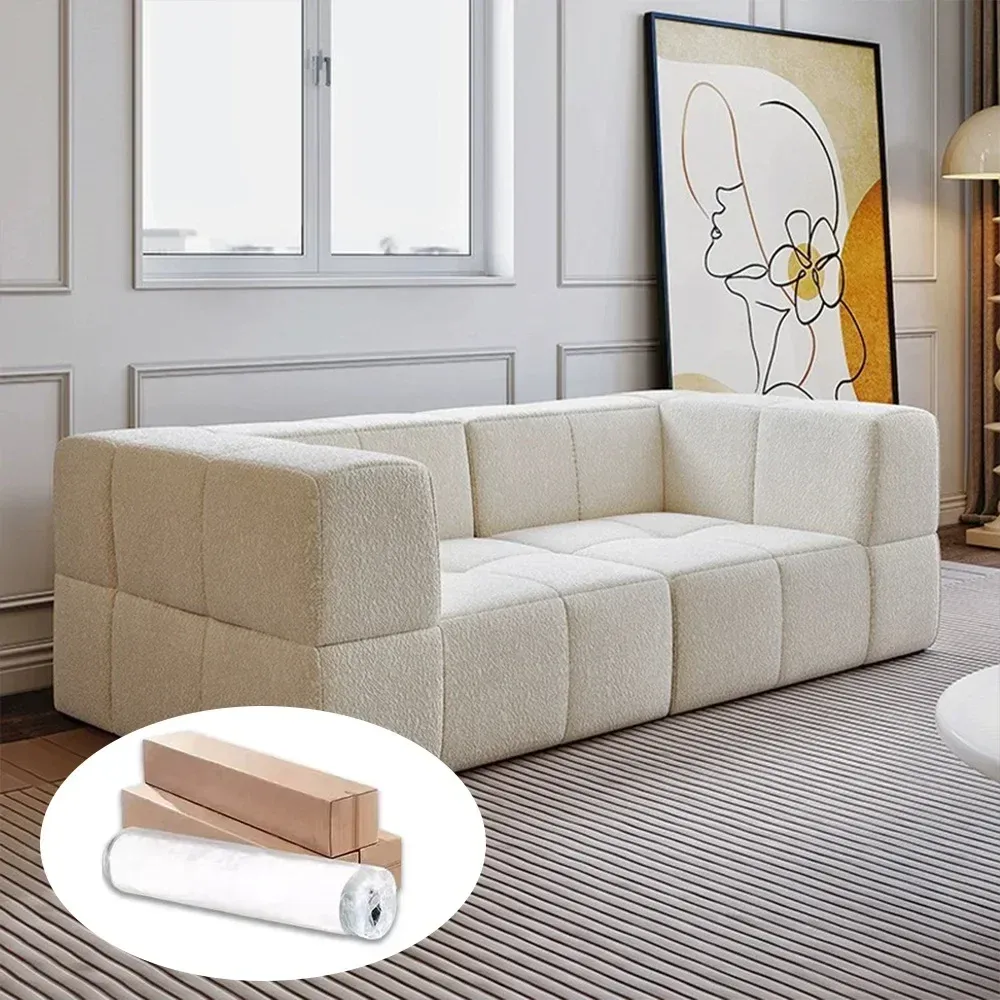
What Is a Compression Sofa? The Ultimate Space-Saving Guide
Imagine walking into your living room after a long day, collapsing onto a plush sofa — only to realize that the sofa that took up half your floor space a minute ago can now neatly tuck away into a closet. Sounds like magic? It’s not. It’s the brilliance of a compression sofa. If you’ve been searching for a way to maximize your home’s potential without sacrificing comfort, you’ve landed on the right article. Today, we’re diving deep into what a compression sofa is, how it works, and why it might be the furniture solution you never knew you needed.
In the world of compact living, every square foot counts. Traditional sofas often dictate the layout and flow of a room. But compression sofas flip that script. They give you back control — allowing you to reclaim your space when you need it, and effortlessly expand your seating when guests arrive. Whether you’re a student in a tiny studio, a couple downsizing, or a family that needs a guest bed that doesn’t require a dedicated room, understanding this innovation can transform your home.
Let’s start from the very beginning.
What Exactly Is a Compression Sofa?
A compression sofa is a type of furniture designed to be compactly stored — often in a box, a bag, or a flat-packed container — and then expanded or assembled into a full-sized sofa. The “compression” refers to the manufacturing process where the sofa’s foam core is vacuum-sealed and compressed to a fraction of its final volume. When you open the packaging, the foam slowly expands (unfolds) to its intended shape and firmness.
Think of it like a space-age version of a memory foam mattress delivered in a box — but for sofas. Instead of arriving fully assembled and huge, a compression sofa comes in a manageable package that you can bring up stairs, through narrow hallways, and into tight corners. Once released, it “blooms” into a comfortable, functional seat.
This concept is a game-changer for anyone living in small apartments, frequent movers, or people who value minimalist design and flexible living. It’s not just about saving space during shipping; it’s about giving you the freedom to rearrange or store your furniture as your life changes.
How Does a Compression Sofa Work?
Understanding the mechanics behind a compression sofa helps you appreciate both its engineering and its practicality.
The Vacuum-Sealing Process
During manufacturing, high-resilience foam is compressed using powerful machinery that reduces its volume by up to 80%. This compressed foam is then sealed inside a plastic or fabric covering, often with a valve or zip closure. The package is then placed inside another protective layer, like a cardboard box or a heavy-duty bag. This process ensures the sofa stays compact until you’re ready to use it.
Expansion and Recovery Time
Once you cut open the packaging and remove the compression wrap, the foam begins to expand. The rate of expansion depends on the foam density and the ambient temperature. Most compression sofas reach their full shape within 24 to 48 hours, though you can use them sooner — they’ll just be a little firmer at first. Some models come with a built-in pump or require you to inflate them? No — compression sofas are foam-based, not air-filled. The foam itself recovers its structure.
Assembly or No Assembly?
Most compression sofas are either fully assembled inside the box (just unfold and expand) or require minimal assembly — like attaching legs or sliding a backrest into place. Some even come as a modular system where you can arrange the pieces in different configurations. Always check the product description for assembly requirements before buying.
Types of Compression Sofas
Not all compression sofas are created equal. Here’s a breakdown of the most common styles you’ll encounter.
1. The Classic Box Sofa
This is the most popular type. The sofa arrives in a box roughly the size of a large suitcase. Inside, you find a fully assembled foam sofa (sometimes with removable covers) that expands as you remove the vacuum seal. Many of these include a pull-out or fold-down bed mechanism, making them perfect for guest use.
2. Modular Compression Sofas
Modular versions come in several compressed pieces that can be connected to form L-shaped, U-shaped, or straight configurations. You can add or remove sections as needed. This is ideal for people who want their sofa to adapt to different rooms or entertaining scenarios.
3. Sofa Beds with Compression Mattress
These combine a regular sofa frame (often from compressed foam) with a pull-out bed that has its own compression mattress. The mattress portion is separately compressed and expands when unwrapped. This type offers guests a real bed without a dedicated guest room.
4. Outdoor Compression Sofas
Yes, some compression sofas are designed for patios, balconies, or decks. They use outdoor-grade foam and weather-resistant fabric covers. Because they compress down small, you can store them during harsh weather or when space is needed.
Why Choose a Compression Sofa? Key Benefits
Still wondering if a compression sofa is right for you? Here are the top reasons people are switching to this innovative furniture.
- Space Efficiency: The obvious advantage. You can store the sofa in a closet or ship it flat, freeing up floor area for other activities when the sofa is not in use.
- Easy Transport: No more renting a truck or worrying about fitting a bulky sofa through doorways. A compression sofa can be carried by one person, which is a huge plus for apartment dwellers and students.
- Cost-Effective Shipping: Because the sofa is compressed, shipping costs are drastically reduced. This savings often passes to the consumer.
- Flexibility for Renters: If you move frequently, a compression sofa can go with you without hassle. Many are lightweight and re-compressible? Well, some brands offer reusable compression bags, but most foam sofas lose their shape if re-compressed. Still, they are far easier to move than traditional sofas.
- Multiple Configurations: Many compression sofas are modular or convertible, letting you rearrange them into different layouts as your needs evolve.
- Durability and Comfort: High-density foam used in compression sofas can last years and offers support comparable to traditional sofas. Plus, the removable covers are often washable.
What to Look for When Buying a Compression Sofa
Before you click “add to cart,” consider these features to ensure you get a sofa that fits your lifestyle.
Foam Density and Quality
Not all foam is the same. Look for high-density foam (rating of 1.8 pounds per cubic foot or higher) for longevity and support. Medium-density around 1.5 is fine for occasional use. Check customer reviews for info on how quickly the foam sags over time.
Removable and Washable Covers
Spills happen, especially if you have kids or pets. A sofa with zippered, machine-washable covers is a must. Some brands sell replacement covers separately if you want to change your color scheme.
Expansion Time and Final Dimensions
Manufacturers usually list the time needed for full expansion. Also, note that the dimensions after expansion may slightly differ from the advertised size due to foam settling. Read plenty of unboxing reviews.
Weight Capacity
Check the recommended user weight. Most compression sofas hold up to 250–300 pounds per seat, but some heavy-duty models go higher. If you plan to have adults sleeping on it daily, look for reinforced construction.
Warranty and Return Policy
Since you’re buying a sofa that “blooms,” you can’t return it in its compressed form easily. A generous return policy or a warranty (especially on the foam) is critical. Many reputable companies offer a 30-day satisfaction guarantee.
How to Care for Your Compression Sofa
To keep your sofa looking and feeling good for years, follow these simple tips.
- Rotate the cushions every few months to distribute wear evenly.
- Fluff the foam after it expands by pressing and kneading — this helps break in the foam faster.
- Clean spills immediately with a mild soap and water solution; avoid soaking the foam.
- Use a fabric protector to repel stains.
- Store in a cool, dry place if you need to compress and stow it away (only if the manufacturer allows re-compression).
- Avoid direct sunlight for long periods to prevent fading and foam degradation.
Frequently Asked Questions About Compression Sofas
Are compression sofas comfortable?
Yes — if you choose the right foam density. Many owners report that high-density models are as comfortable as traditional sofas. Remember that during the first few days, the foam may feel firmer; it softens as you use it.
How long does a compression sofa last?
With proper care, a quality compression sofa can last 5–10 years. The foam will eventually lose some springiness, but reputable brands offer warranties that cover that.
Can I re-compress a compression sofa?
Most are designed for one-time expansion. Re-compressing can damage the foam structure. However, some modular systems allow you to store individual pieces separately. Always check the product manual.
Is a compression sofa the same as a futon or a sofa bed?
No. A futon is a mattress that folds into a seat. A sofa bed typically has a metal frame that pulls out. A compression sofa is a foam-based seat that arrives in a compact package. Many compression sofas also function as sofa beds, though.
Where can I buy a compression sofa?
Online furniture retailers specialize in box sofas. Big names include brands like Burrow, Lovesac (moved away from compression), and various Amazon sellers. Also check DTC brands that offer free shipping and generous returns.
Compression Sofa vs. Traditional Sofa: Which Is Better?
This comparison boils down to your priorities.
- Price: Compression sofas often cost less for similar comfort due to lower shipping and storage expenses.
- Space: A traditional sofa demands your floor plan from day one. A compression sofa can be put away when not needed.
- Durability: High-end traditional sofas with kiln-dried frames and spring systems can outlast foam-based ones. But for daily living, modern high-resilience foam is very durable.
- Customization: Many compression sofas come in standard sizes and colors. Traditional sofas offer endless fabric and size options.
- Ease of moving: Compression sofa wins hands-down.
Real-Life Examples: How People Use Compression Sofas
Let’s paint a picture. Sarah lives in a 400-square-foot studio in San Francisco. She needs a couch for Netflix nights but also a bed for her visiting mother. She buys a compression sofa with a pull-out mattress. During the day, it’s a two-seater; at night, it expands into a queen bed. The box it came in is now under her desk, storing seasonal clothes.
Mark and Lisa rent a one-bedroom apartment with a small living room. They love hosting game nights but hate the clutter. They choose a modular compression sofa that they can rearrange into an L-shape for parties or a loveseat for everyday use. When not hosting, they detach one section and store it upright in the closet, opening up floor space for yoga.
A travel influencer named Alex moves countries every six months. He buys a compression sofa that fits into a duffel bag. Even though he can’t re-compress it, he gives it away or sells it when he leaves — still cheaper than shipping a traditional sofa.
Common Myths About Compression Sofas
Myth: They feel like cheap foam. Not true. Modern compression sofas use high-density, multi-layered foam that mimics the support of spring-and-cushion systems.
Myth: They smell bad. Initially, some off-gassing is normal (like new car smell). It fades within a few days. Air out the sofa in a ventilated room. Choose brands that use CertiPUR-US certified foams for low emissions.
Myth: They can’t be used immediately. You can sit on them within minutes — they just won’t be fully expanded. Avoid heavy use for the first 12 hours.
Final Tips Before You Buy
- Measure your doorways and elevators — even the compressed box must fit inside your building.
- Read the fine print on expansion time — indoor temperature affects it; warmer rooms speed expansion.
- Check if the seat height and depth match your body measurements – some compression sofas are lower to the ground.
- Look at the base structure – does it have a wooden or metal frame inside the foam? A built-in frame adds stability.
- Join online communities — Reddit’s /r/spacefurniture is a great place to see real reviews and photos.
Conclusion: Is a Compression Sofa Right for You?
So, what is a compression sofa? It’s a clever, modern answer to the age-old challenge of fitting comfort into compact spaces. It’s perfect for renters, students, frequent movers, or anyone who values flexibility over permanence. Yes, there are trade-offs — you won’t get the heirloom quality of a tailored, sprung sofa. But for most people today, the convenience, cost savings, and spatial freedom more than make up for it.
If you’re tired of feeling boxed in by oversized furniture, it’s time to think outside the box — literally. A compression sofa could be your ticket to a more open, adaptable, and comfortable home.
Ready to transform your living space? Start browsing compression sofas from reputable brands. Compare foam densities, read real user experiences, and order one that fits your style and space. Your future self — and your tiny apartment — will thank you.
“Small space living doesn’t mean sacrificing comfort. It means choosing smarter furniture.” — Anonymous minimalist
Now go ahead — unbox the possibility.



leave a reply