

 0
0

Why a High-Quality Compression Sofa is Your Tiny Home’s Best Friend
If you live in a tiny apartment, a studio, or simply crave a clutter-free home, you know the struggle: finding a sofa that fits both your space and your lifestyle. Traditional oversized sofas swallow square footage, while cheap, flimsy options leave you with sagging cushions and regret. Enter the high-quality compression sofa – a game-changing solution that promises comfort, durability, and space-saving genius. But what exactly is it, and why should you care?
In this comprehensive guide, we’ll unpack everything you need to know about high-quality compression sofas. From how they’re made to why they outperform regular space-saving furniture, you’ll learn how to choose the perfect one for your home – without sacrificing style or sleep quality.
What Is a High-Quality Compression Sofa?
A compression sofa (sometimes called a foldable or compact sofa) is a specifically engineered piece of furniture designed to reduce its volume during shipping and storage. Unlike standard sofas that arrive fully assembled in a giant box, a high-quality compression sofa uses vacuum-sealing or mechanical compression to shrink its footprint – often by 60-80%. You unpack it, let it expand, and within hours you have a fully functional, comfortable sofa.
But compression isn’t just about shipping. The term also refers to the density and resilience of the foam and materials used. A truly high-quality compression sofa uses high-density foam that bounces back after compression, maintaining its shape and support for years. Cheap alternatives use low-density foam that quickly loses its loft, leading to sagging and discomfort.
How Does Compression Technology Work?
Manufacturers compress sofas using one of two methods:
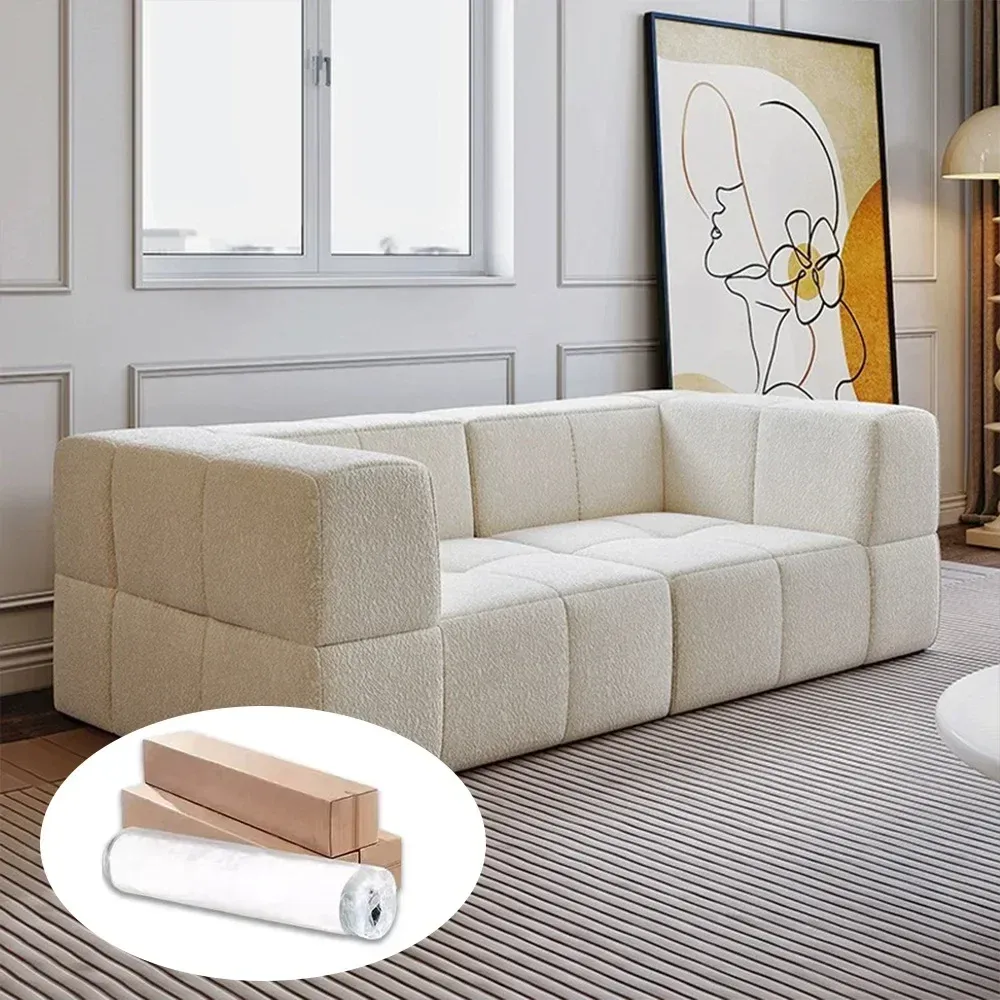
- Vacuum packaging: The sofa – including cushions, frame, and sometimes even legs – is sealed in a plastic bag and air is sucked out. The result is a flat, manageable package that can be shipped in a box small enough to fit in your car trunk.
- Mechanical compression: Foam and fabric are pressed under heavy weights before being rolled or folded, then secured with straps or shrink wrap. This method is often used for larger sectional pieces.
Once you remove the packaging, the sofa begins to expand. Most high-quality compression sofas reach their full shape within 24–48 hours, though you can start using them immediately for light sitting.
Top Benefits of a High-Quality Compression Sofa
Why choose a compression sofa over a traditional one? The advantages go beyond just “fits in a small box.”
1. Unbeatable Space Efficiency
For anyone living in a compact home, every square inch counts. A high-quality compression sofa often doubles as a bed, ottoman, or storage unit. Many models are designed to be modular – you can reconfigure them as a loveseat, chaise, or even two separate chairs. This flexibility allows you to adapt your living room layout for guests, movie nights, or daily relaxation.
2. Superior Comfort Through Dense Foam
Because the sofa is compressed, the foam must be dense enough to recover its shape. This means a high-quality compression sofa typically uses HR (high-resilience) foam or memory foam blends. The result is a seat that feels supportive yet plush, without the “brick” feeling of some foldable alternatives. You’ll get proper lumbar support and a surface that doesn’t bottom out.
3. Easy Delivery and Setup
Traditional sofas often require delivery trucks with lift gates, two movers, and navigating tight hallways. A compression sofa arrives in a compact box – often weighing under 100 lbs – so you can carry it up stairs, through narrow doors, and even into elevators alone. Setup is simple: unbox, unroll, and let it expand. No tools, no assembly nightmares.
4. Hygienic and Fresh Out of the Box
Since the sofa is compressed and sealed, it’s protected from dust, moisture, and pests during shipping. You get a fresh, clean product every time. Many compression sofas also have removable, machine-washable covers – a huge plus for pet owners or anyone who eats snacks on the couch.
5. Cost-Effective Without Compromising Quality
By reducing shipping volume, companies save on freight costs – and often pass those savings to you. A high-quality compression sofa can cost 30–50% less than a comparable traditional sofa, while using the same premium materials. You’re not paying for air and bulky packaging.
How to Choose the Best High-Quality Compression Sofa: 10 Expert Tips
Not all compression sofas are created equal. Follow this checklist to ensure you invest in a piece that lasts.
- Check Foam Density: Look for specifications like “HR foam” or “high-density polyurethane.” A density of at least 1.8 lbs per cubic foot for the seat cushions and 1.5 for back cushions is a good baseline. Higher density means better longevity.
- Assess the Frame: A solid wood or metal frame is non-negotiable. Avoid particleboard or plastic frames – they’ll creak and break. The best high-quality compression sofas use kiln-dried hardwood like birch or poplar.
- Read the Warranty: A 1-year warranty is common, but 2–5 years indicates confidence in durability. Check what’s covered: sagging foam, frame cracking, or zipper failure.
- Measure Twice, Order Once: When fully expanded, will it fit your intended space? Don’t forget to account for clearance when the sofa is fully reclined (if it’s a pull-out bed).
- Look for Removable Covers: Zippered, washable covers are a lifesaver. They make cleaning easy and extend the life of your sofa. Some brands offer replacement covers at a discount.
- Test the Expansion Time: Reviews often mention how long it takes to fully expand. 24–48 hours is standard. If a sofa claims to expand instantly, be wary – it might use lower-grade foam that won’t last.
- Consider Your Sleeping Needs: If you plan to use it as a guest bed, check the mattress thickness and firmness. Many compression sofa beds use a tri-fold memory foam mattress that’s 4–6 inches thick – comfortable for occasional use.
- Examine the Suspension: Webbing or sinuous springs under the cushions prevent sagging. Avoid cheap polyester webbing; look for elastic webbing with high tensile strength or metal springs.
- Check Weight Capacity: A high-quality compression sofa should support at least 250–300 lbs per seat. The overall weight limit for the sofa should be clearly stated.
- Read Real Customer Photos: Markets are full of “too good to be true” stock photos. Browsing user-uploaded images shows you the actual color, texture, and scale.
Real-World Examples: Compression Sofas That Deliver
To give you a sense of what’s out there, here are a few types of high-quality compression sofas that have earned strong reviews:
- The Modern Foldable Loveseat: Often includes a pull-out trundle bed and storage pockets on the sides. Ideal for a home office or den.
- The Modular Sectional: Multiple pieces that connect via straps or brackets. You can rearrange them as an L-shape, U-shape, or separate chairs. Perfect for open-plan studios.
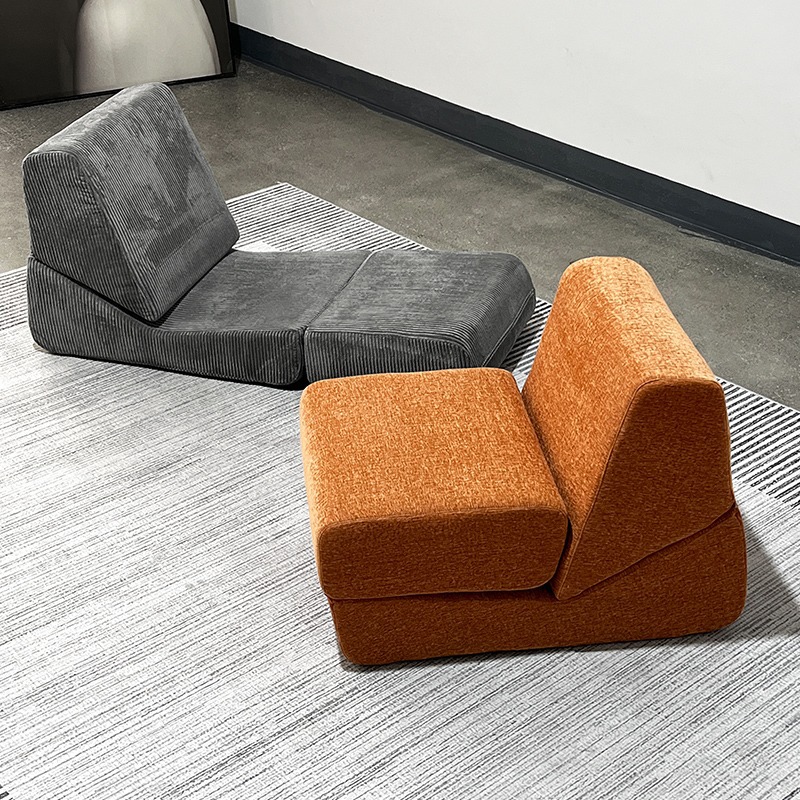
- The Armless Chaise Sofa: A minimalist design that doubles as a lounger. Great for yoga rooms or reading nooks.
- The Classic Sofa Bed: Traditional silhouette with a hidden bed inside. Many use a click-clack mechanism that converts quickly.
Maintenance Tips to Make Your High-Quality Compression Sofa Last
You’ve made the investment – now keep it looking and feeling great.
- Fluff cushions regularly: Rotate and flip seat cushions every month to prevent uneven wear. For back cushions, give them a good plump.
- Vacuum weekly: Use an upholstery attachment to remove dust, crumbs, and pet hair. This prevents abrasion to the fabric fibers.
- Spot clean immediately: Blot spills gently with a clean cloth – don’t rub. Use mild soap and water. For stubborn stains, test an upholstery cleaner on a hidden area first.
- Keep out of direct sunlight: UV rays can fade fabric and degrade foam. Use curtains or position the sofa away from windows if possible.
- Avoid jumping on the sofa: Even the best frame can warp under repeated dynamic loads. It’s furniture, not a trampoline.
- Re-compress when moving? Some brands allow you to re-vacuum seal if you need to move. Check the instructions – not all sofas are designed for multiple compressions.
Common Myths About Compression Sofas – Debunked
Despite their growing popularity, misconceptions persist. Let’s set the record straight.
Myth: “Compression sofas are just inflatable furniture.”
Fact: High-quality compression sofas use solid foam, not air. They’re closer to traditional upholstered furniture than blow-up beds.
Myth: “They feel cheap and uncomfortable.”
Fact: Premium compression sofas use the same high-density foam as top-rated traditional sofas. The comfort level depends on the materials, not the compression process.
Myth: “They have a chemical smell that never goes away.”
Fact: Off-gassing is normal with new foam, but it typically dissipates within a few days. Air out the sofa in a well-ventilated area. High-quality brands use CertiPUR-US certified foam for low VOC emissions.
Myth: “They aren’t durable enough for daily use.”
Fact: Many compression sofas are designed for full-time living. With proper care, they can last 5–10 years or more. The key is choosing one with a solid frame and high-density foam.
Frequently Asked Questions
Q: Can I use a high-quality compression sofa as my primary bed?
A: It depends on the model. Some are designed for occasional guest use (1–2 nights per week), while others have thicker mattress layers suitable for nightly use. Check the product description for “daily use” or “full-time sleeping” claims.
Q: How long does it take to fully expand?
A: Most high-quality compression sofas reach full shape within 24–48 hours. You can sit on them gently after 12 hours, but avoid heavy use until fully expanded to prevent uneven foam recovery.
Q: Are there any size restrictions?
A: Compression sofas come in a range of sizes from twin to king. However, because they’re compressed, the shipping box is always compact – usually under 30 inches tall and 15 inches wide.
Q: What fabrics are commonly used?
A: Look for performance fabrics like polyester microfiber, linen blends, or velvet. Some brands offer faux leather – but be cautious; leather doesn’t compress as well and may crack over time.
Conclusion: Is a High-Quality Compression Sofa Right for You?
If you value space, comfort, and convenience – and you’re tired of compromised furniture that looks good but feels bad – a high-quality compression sofa is a smart choice. It solves the age-old dilemma of small-space living without asking you to sacrifice style or support.
Whether you’re a city dweller in a micro-apartment, a first-time homeowner looking to maximize a bonus room, or a minimalism enthusiast, this sofa type offers a modern, practical solution. The technology has matured: you no longer have to choose between a sofa that’s easy to move and one that’s comfortable to sit on.
Ready to reclaim your floor space without losing your comfort zone? Start by measuring your room, identifying your must-have features, and reading reviews from owners who have put their compression sofas through real-life use. Your tiny home deserves a big upgrade – and a high-quality compression sofa might just be the perfect companion for your journey.
Call to action: Explore our curated list of top-rated high-quality compression sofas and find the one that fits your home and your life. Transform your space today – because you deserve a sofa that adapts to you, not the other way around.


leave a reply