

 0
0
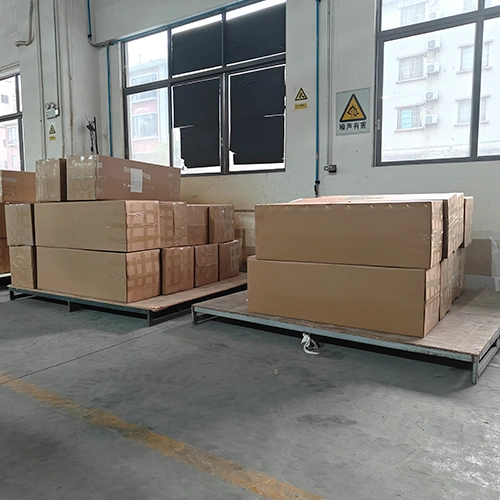
Compress the Sofa at the Original Factory: High-Density Foam & Careful Crafting
Finding the perfect sofa for a small apartment or a cozy home can feel like an impossible puzzle. You need something comfortable enough for relaxing, compact enough to save space, and durable enough to last for years. Too often, corner are cut—literally and figuratively—to deliver a low price, leaving you with a lumpy, sagging seat that loses its shape within months. But there is a better way. It starts with a promise: compress the sofa at the original factory, use high-density foam, and make the products with care. This principle transforms how sofas are made and delivered, giving homeowners a space-saving solution that doesn’t skimp on comfort or longevity.
The Art of Sofa Compression: Why Factory-Level Makes the Difference
Compression isn’t new—you’ve seen vacuum-packed pillows and mattresses. But compressing a fully assembled sofa requires a different level of engineering. When you compress the sofa at the original factory, you control every variable: the pressure applied, the duration, and the type of materials used. This is critical for preserving the internal structure, especially the foam. After-market compression (done by shipping companies or even at home) can irreversibly damage the foam’s cell structure, leading to permanent indentations. Factory compression uses specialized machinery that applies even pressure, ensuring the foam returns to its original shape once unpacked.
How Compression Preserves High-Density Foam Integrity
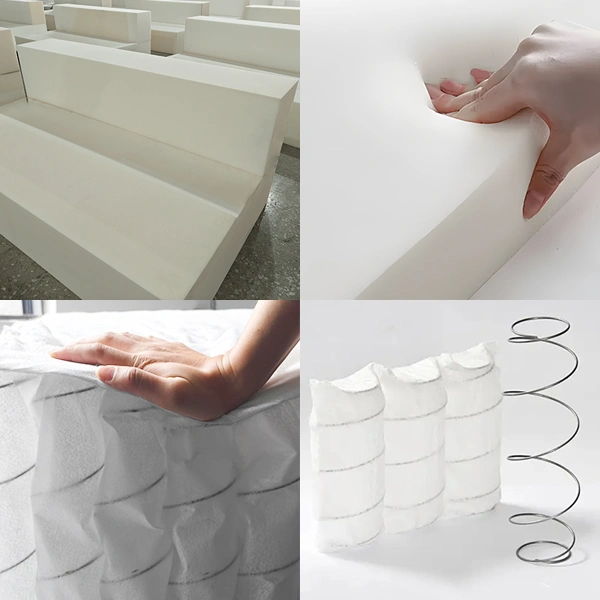
High-density foam is dense—its open-cell structure is designed to support weight without collapsing. However, if compressed unevenly or for too long, the walls between cells can break down, causing the foam to lose resilience. By compressing at the factory, manufacturers can precisely control the vacuum force and decompression rate. This process actually protects the foam by reducing the stress on individual cells during transportation. When you finally unpack your sofa, the high-density foam expands back to its original shape, retaining its support and feel. This is why products that adhere to the principle “compress the sofa at the original factory, use high-density foam, and make the products with care” consistently receive praise for their durability.
High-Density Foam: The Backbone of Long-Lasting Comfort
Not all foam is created equal. Standard polyurethane foam with a density of 1.5 pounds per cubic foot might feel soft initially, but it breaks down quickly. High-density foam, typically 2.0 pounds per cubic foot or higher, offers superior support and elasticity. When you choose a sofa made with high-density foam, you’re investing in a seat that won’t sag after a year, that maintains its shape even with daily use, and that provides consistent comfort. The phrase “use high-density foam” isn’t just a feature—it’s a commitment to quality. Combined with proper compression at the factory, this foam ensures your space-saving sofa performs like a full-sized, premium piece.
Comparing High-Density Foam to Standard Foam
- Support: High-density foam resists compression better, meaning you won’t sink into the cushion or feel the frame beneath.
- Durability: High-density foam lasts 5–10 years longer than low-density alternatives, especially in high-use seating areas.
- Recovery: After sitting, high-density foam returns to its original shape faster, reducing permanent indentation.
- Comfort: Denser foam provides a firmer feel that some prefer for back support, yet still offers a plush top layer when combined with proper upholstery.
- Temperature: High-density foam can retain more heat, but modern advancements include gel-infused or open-cell versions that improve airflow.
When manufacturers “make the products with care,” they select high-density foam that balances comfort and support, then compress it only after ensuring the foam’s integrity won’t be compromised. This is the hallmark of a sofa built to last in a small space.
Crafting with Care: How Original Factory Attention to Detail Ensures Quality
The final piece of the puzzle is the craftsmanship behind “make the products with care.” This goes beyond foam selection. It involves the frame construction, the choice of springs, the stitching of the upholstery, and the final quality checks. A well-cared-for sofa starts with kiln-dried hardwood frames, reinforced corners, and no-sag springs that work in harmony with the high-density foam. At the original factory, every step is monitored: from cutting the foam to the exact dimensions matching the compression pattern, to sewing covers with double-stitched seams that withstand the rigors of shipping and daily use.
Why does this matter for space-saving homeowners? Because a compact sofa sees more abuse per square inch than its larger counterpart. It’s often used as a primary seat, a guest bed, or even a work-from-home perch. The combination of high-density foam and careful construction means that even after thousands of sits, the sofa still looks and feels new. And because it was compressed at the factory with care, you get a piece that fits through narrow doorways, up tight staircases, and into small elevators—without sacrificing quality.
Real-Life Benefits for Space-Saving Homeowners
Now that you understand the “why,” here’s how to apply this knowledge when shopping for your next sofa. These actionable tips will help you identify products that truly adhere to the principle of compressing at the factory, using high-density foam, and making with care.
- Ask about foam density. If the manufacturer can’t specify the density (in pounds per cubic foot), be cautious. Look for at least 1.8 to 2.0 lb/ft³ for seat cushions.
- Check the warranty. A sofa that is compressed at the factory with high-density foam should come with a warranty covering sagging beyond 1 inch for at least 5 years.
- Request compression details. Ask whether the sofa is compressed at the original factory or by a third-party shipper. Factory compression is always preferred.
- Read reviews on foam recovery. Look for feedback about how the sofa bounces back after unboxing and after months of use.
- Inspect the frame. Even with great foam, a weak frame ruins everything. Look for phrases like “hardwood frame” or “engineered wood with reinforced corners.”
- Choose removable covers. Cleaning is easier, and you can check the foam directly after a year.
- Consider modular options. Many space-saving sofas that adhere to these principles also offer modular designs, letting you rearrange seats to fit your changing needs.
Following these steps will help you find a sofa that not only saves space but also provides the comfort and durability you deserve. Remember: the best space-saving furniture doesn’t feel like a compromise.
Conclusion: Invest in a Sofa Built with Care
Your home is your sanctuary, and the sofa is often its heart—even in a small space. Don’t settle for a piece that will let you down. When you compress the sofa at the original factory, use high-density foam, and make the products with care, you get a sofa that fits your life perfectly: compact enough to leave room for everything else, yet comfortable enough to become your favorite spot. It’s an investment in quality, in peace of mind, and in a home that works for you.
Ready to elevate your space without sacrificing comfort? Choose a sofa built with care from the ground up—look for factory-compressed, high-density foam construction. Your back (and your living room) will thank you.
leave a reply